Voice of Music Festival Returns to Northern Israel: 41st Edition in October 2026
The Voice of Music Festival celebrates its 41st season October 28–November 1 in Upper Galilee, premiering new Israeli compositions amid regional recovery.
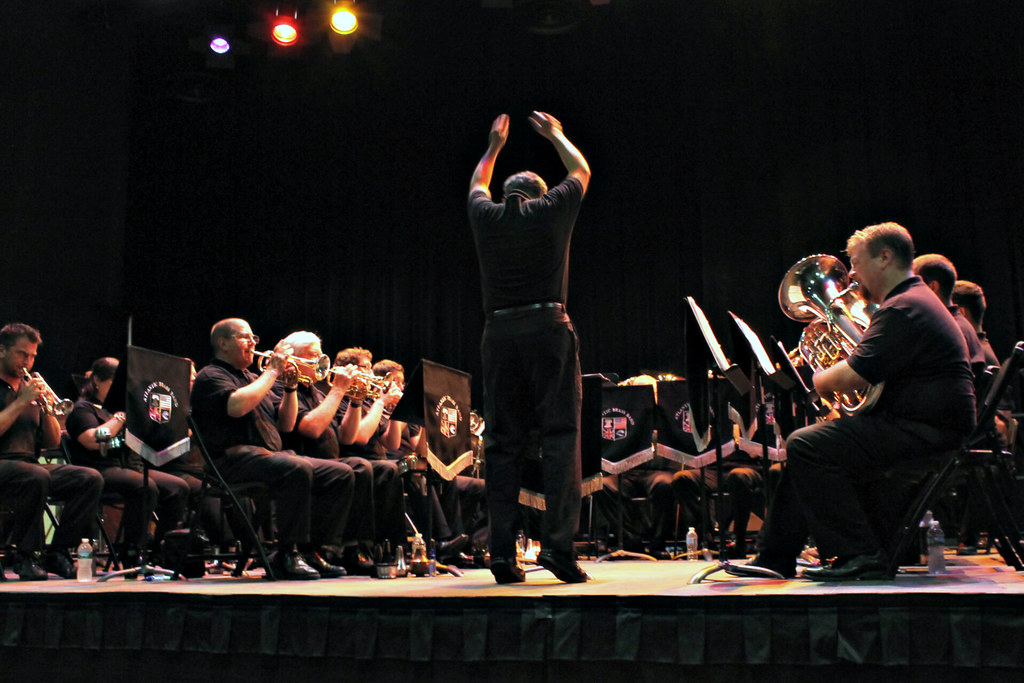
The Voice of Music Festival in the Upper Galilee will celebrate its 41st season from October 28 to November 1. Hosted at the newly renovated Pastoral Hotel in Kfar Blum, the five-day event aims to revitalize regional culture and tourism following several challenging years in northern Israel. Under the artistic direction of pianist Dr. Ofra Yitzhaki, the festival bridges historical traditions with contemporary perspectives through signature interactive programs, including Coffee & Concert, Work in Focus talks, late-night lobby sessions, and daily open rehearsals.
Why This Festival Matters: A Before-and-After Look at Northern Israel Culture
The Voice of Music Festival's return marks a tangible turning point for the Upper Galilee's cultural life. Prior to 2023, this chamber music tradition thrived as one of Israel's most prestigious autumn events, attracting musicians and audiences seeking intimate performances in a rural setting. The regional instability that followed October 7, 2023 forced the festival into temporary relocation to Tel Aviv in 2025, a painful disruption that underscored how deeply insecurity had penetrated civilian life in the north.
Now, in 2026, the decision to return to Kfar Blum signals something larger than logistics: it reflects measurable improvements in security perception and tourism infrastructure. The UK travel advisory changed on June 3, 2026, when the FCDO updated its guidance, ending advice against all travel to Israel, with most of Israel now listed as "green." About 58 million shekels ($18.5 million) of a tourism recovery budget will go toward upgrading infrastructure in northern Israel.
The comparison is stark. In 2024 and 2025, large public gatherings in the Galilee faced real constraints—missile sirens, evacuation protocols, canceled events. Now, a five-day classical music festival proceeds with hundreds of attendees, dozens of concerts, and full rehearsal spaces. The renovated Pastoral Hotel itself stands as physical proof of investment and confidence in the region's near-term future.
New Israeli Compositions and Artistic Direction: A Shift Toward Contemporary Work
The 2026 repertoire juxtaposes classical masterworks by Schubert, Ravel, and Schoenberg with modern 20th- and 21st-century compositions. This represents a deliberate curatorial choice by Dr. Yitzhaki to honor both tradition and present moment. But the most striking element of 2026 programming is the emphasis on new Israeli work.
Highlighting the program are world premieres of new Israeli works by Naama Pearl-Tzadok and Onn Yosef Kadosh, alongside an intimate solo performance by Shlomi Shaban and a collaborative concert featuring Nurit Galron. These premieres anchor the festival's function as a living platform, not merely a repository of European classics. The investment in contemporary Israeli composition signals confidence that the cultural moment now permits forward-looking artistic risk.
Multidisciplinary productions will also take center stage, including American Rhapsody, which features the Upper Galilee Choir and blends the classical compositions of Bernstein and Barber with jazz and American literature. Such hybrid programming stands in sharp contrast to pre-2023 editions, which tilted more heavily toward pure chamber repertoire. The festival is explicitly widening its artistic vocabulary as audiences and artists themselves grapple with changed circumstances.
Memorialization and Artistic Responsibility: How the Festival Honors Recent Loss
The festival will reflect the recent realities of the Galilee region through poignant tribute performances, with the closing concert, My Stream, dedicated to the memory of the festival's long-time photographer, Ofer "Pushko" Moshkovitz, who was killed by friendly fire at his home in Kibbutz Misgav Am in March 2026. This is not incidental sentiment—it is artistic necessity. A festival returning to the Upper Galilee in 2026 cannot present itself as unchanged or untouched.
Additionally, a performance of Silent Playground by Druze composer Haya Mustafa will honor the children killed in the Majdal Shams rocket strike. By commissioning and programming Mustafa's work, the festival acknowledges both the region's inter-ethnic fabric and its recent suffering. These acts of memorialization—embedded in the musical program itself—allow the festival to function as collective witness rather than escape.
This represents a meaningful shift from pre-war editions. While earlier iterations certainly engaged with Jewish and Israeli identity, they did so in a context of relative security. The 2026 program operates inside active grief and rebuilding, which changes how audiences and musicians experience the work itself.
Participant Scale and Tourism Impact: Numbers That Tell the Story
| Metric | Pre-2023 Era (2022 and Earlier) | 2026 Recovery Year | Change |
|---|---|---|---|
| Festival Duration | 5 days (established format) | 5 days (October 28–November 1) | Maintained format |
| Venue | Pastoral Hotel, Kfar Blum | Newly renovated Pastoral Hotel | Infrastructure upgrade |
| Hosting Location | Upper Galilee, normal operations | Upper Galilee, post-security transition | Resumed local hosting (vs. 2025 Tel Aviv relocation) |
| Programming Type | Chamber classics + some Israeli works | Classics + heavy emphasis on new Israeli premieres | Shift toward contemporary composition |
| Regional Dedication | Cultural enrichment | Cultural + memorialization + regional resilience narrative | Explicit connection to recent local loss |
These changes reflect not just artistic choice but also audience composition and the festival's role within the broader tourism recovery. At the International Mediterranean Tourism Market 2026, the pace and density of engagement suggested planning has resumed on a practical level, with short stays, day trips, and local experiences dominating pitches, as recovery is being assembled incrementally at municipal and regional levels.
What Aliyah Candidates and Diaspora Families Should Know
For people considering or planning aliyah, the Voice of Music Festival's return signals something concrete about Northern Israel's trajectory. While security concerns remain legitimate topics for consultation with official bodies like Misrad Haklita (the Ministry of Absorption), the restoration of large cultural events in the region suggests that civilian life is genuinely resuming. Cultural infrastructure—theaters, concert halls, festivals—is often among the last things communities rebuild after conflict, because it requires both resources and psychological permission to invest in "non-essential" life.
The festival's programming also reflects the values central to Israeli Jewish identity: chamber music as intimate community gathering, new Israeli composition as cultural sovereignty, and memorialization as ethical practice. For olim (immigrants) arriving in the Galilee or considering settlement in the region, participation in such events provides both practical connection (the festival offers workshops and meet-and-greet opportunities with musicians) and symbolic belonging.
The Upper Galilee's appeal to diaspora olim has historically centered on kibbutz life, natural beauty, and agricultural heritage. The restoration of cultural programming expands that appeal. The newly renovated Pastoral Hotel itself now signals that the region is attracting hospitality investment—a key indicator that planners believe stability will hold. As we covered in our analysis of Israel's regional recovery and aliyah timing, cultural indicators often precede larger demographic waves.
Interactive Programming and Audience Engagement: A Before-and-After Shift
The festival features interactive programs such as Coffee & Concert, Work in Focus talks, and daily open rehearsals, offering audiences an intimate look into the musicians' collaborative process. These formats differ from typical concert-hall experiences and reflect a deliberate move toward accessibility and participation, not passive consumption.
Pre-2023 editions certainly featured such programming, but the 2026 emphasis is notably heavier. This reflects both a pedagogical commitment (helping audiences from the region rebuild connection to classical music) and a practical recognition that diaspora visitors and recent olim may benefit from guided entry into unfamiliar repertoire.
For new immigrants considering participation, the Coffee & Concert and open rehearsal formats offer genuine value: they are low-cost or free, they provide social connection, and they reduce the intimidation factor many people feel around classical music institutions. This democratization of access is subtle but real.
Frequently Asked Questions
Q: Is the festival safe to attend for diaspora visitors and recent olim?
The festival's return to Kfar Blum and the UK government's updated travel guidance both reflect improved security assessment for the Upper Galilee. That said, anyone with specific health, mobility, or security concerns should consult current official sources such as Gov.il or their home country's travel advisory. The Pastoral Hotel has also invested in modern facilities and safety protocols.
Q: Can I attend if I don't speak Hebrew or understand classical music?
Yes. The festival explicitly designs interactive programming (Coffee & Concert, open rehearsals) for audiences new to classical music. English-language program notes and translations are typically available. Networking at these events also provides informal access to musicians and other attendees, many of whom are international.
Q: How does this festival fit into Israel's broader cultural recovery narrative?
The Voice of Music Festival's return is part of a larger ecosystem. As mentioned in our coverage of tourism recovery in 2026, Israel's cultural institutions have begun a phased reopening of large public events, particularly in regions most affected by recent security challenges. The Galilee is receiving specific infrastructure investment, and festivals function as both cultural anchors and economic drivers for local hospitality and regional visitation.
Q: What are the new Israeli compositions about, and do I need to know something specific before attending?
The premiere works by Naama Pearl-Tzadok and Onn Yosef Kadosh have not been widely documented in advance—this is deliberate, as premieres are meant to be experienced fresh. However, the festival's program booklet (available at the gate and online) includes composer statements. The Work in Focus talks are specifically designed to provide context before performances.
Looking Ahead: What the 41st Edition Signals for the Galilee's Future
The Voice of Music Festival's 2026 return is not a return to "normal"—it is a return that is consciously different, marked by memorialization, contemporary programming, and explicit acknowledgment of regional trauma. This is actually a sign of maturity in cultural recovery. Events that pretend unchanged reality has resumed often fail to resonate; events that honor both continuity and change tend to deepen community bonds.
For the Upper Galilee as a destination for aliyah, settlement investment, and tourism, this matters significantly. Cultural vitality is not decoration—it is infrastructure for human flourishing. The Pastoral Hotel's renovation, the programming choices, the emphasis on new Israeli composition, and the memorial performances all signal that the region is moving from crisis management to intentional reconstruction.
For Jews worldwide considering whether and when to move to Israel, the restoration of events like this provides practical evidence that regional life is rebuilding. It is not risk-free, but it is real. That distinction—between absence and modest risk—changes decision-making in meaningful ways.
Further reading: Beer Sheva Aliyah 2026: The Nine-Month Timeline Nobody Mentions — AliyaToday.
Further reading: Shekel at NIS 3.07: How Currency Strength Crushes Dollar-Based Foreign Investment October 2026 — Jewish Property Report.
Join Jewish News Now for weekly practical guides on benefits, housing, documents, and life in Israel.
Solly Marks is a Jewish news publisher covering Israel and the global Jewish community. JewishNewsNow delivers factual, pro-Israel journalism — breaking news, community updates, and analysis for the worldwide Jewish diaspora.