Ultra-Orthodox Jewish Communities in Israel 2026: Regional Housing and Employment Breakdown
Ultra-Orthodox population growth reshapes Israel's housing markets and employment sectors unevenly across Bnei Brak, Jerusalem, and Ashdod in 2026.
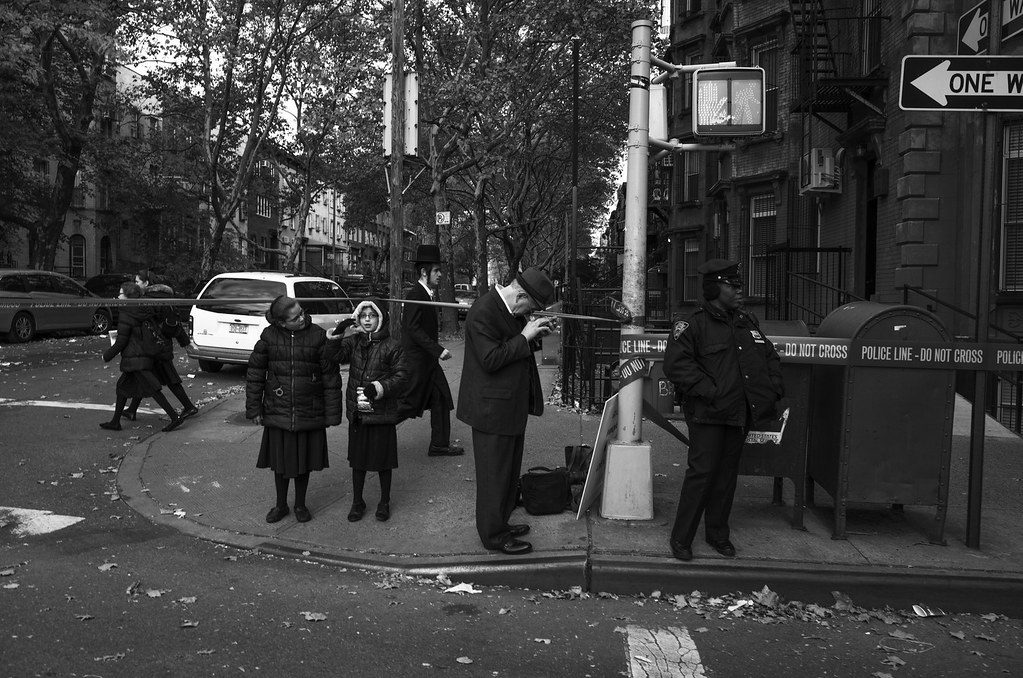
Ultra-Orthodox Expansion Reshapes Israeli Regional Economy
Israel's ultra-Orthodox (Haredi) population continues rapid growth in 2026, creating distinct economic pressures across different cities and regions. Unlike secular and religious Zionist communities, Haredi families maintain higher average birth rates—approximately 6.5 children per family versus 3.0 nationally—and concentrate in specific geographic clusters. This concentrated settlement pattern creates vastly different housing costs, employment opportunities, and social infrastructure demands depending on location.
Bnei Brak, Ashdod, and Jerusalem now function as three separate Haredi economic ecosystems, each facing unique challenges for both current residents and potential olim (migrants) considering a religious lifestyle in israel. Understanding these regional differences is essential for aliyah planning, especially for families from North America and Europe seeking Haredi communities.
Bnei Brak: The Saturated Urban Core
Bnei Brak remains the spiritual and demographic heart of Haredi life, with approximately 210,000 residents—over 65% ultra-Orthodox. The city's real estate market has become prohibitively expensive for newcomers. Rental prices for a three-bedroom apartment now average NIS 3,200–4,000 monthly, while purchase prices exceed NIS 1.8 million for comparable units.
Employment in Bnei Brak concentrates in religious education, kashrut certification, diamond trading, and increasingly in high-tech sectors (software development, cybersecurity). Many younger Haredi men now work remotely or commute to Tel Aviv technology hubs, a shift that was marginal five years ago but now represents approximately 18% of the working-age Haredi male population in the city.
For olim considering Bnei Brak, arrival timing matters significantly. Misrad Haklita (israel's Immigration Authority) processes housing assistance applications, but availability in Bnei Brak itself is minimal—most newcomers rent initially in surrounding towns like Petach Tikva or Giv'atayim before relocating if finances permit.
Jerusalem's Haredi Neighborhoods: Rapid Growth, Lower Entry Costs
Jerusalem's Haredi population grew 12% between 2023 and 2026, concentrated in neighborhoods including Kiryat Mattersdorf, Sanhedria, and Gilo extensions. These areas offer housing 25–35% cheaper than Bnei Brak, making them increasingly attractive to aliyah candidates with modest budgets.
Rental three-bedroom apartments in these Jerusalem Haredi neighborhoods average NIS 2,100–2,800 monthly. Purchase prices hover around NIS 1.2–1.5 million—still substantial, but achievable for families with accumulated savings or family support. Employment patterns differ sharply from Bnei Brak: Jerusalem Haredi workers rely more heavily on public sector employment (municipal services, education), nonprofit organizations, and expanding small business ownership (retail, catering, maintenance services).
The city also hosts major Haredi educational institutions—yeshivas, seminaries, and girls' schools—making it particularly attractive for families prioritizing intensive religious study environments. Transportation infrastructure, however, remains weaker than Bnei Brak or Tel Aviv, which can complicate job-seeking in other municipalities.
Ashdod: The Emerging Economic Frontier
Ashdod represents the newest growth frontier for Haredi settlement, with the ultra-Orthodox population increasing from approximately 28,000 in 2020 to 52,000 in 2026—an 86% expansion in six years. The city offers the lowest housing costs across major Haredi centers: three-bedroom rentals average NIS 1,600–2,200, and purchase prices range from NIS 800,000–1.2 million.
Employment diversity in Ashdod has expanded rapidly. The port remains a major employer; several technology companies have established operations there; and light manufacturing sectors create jobs accessible to workers without advanced technical credentials. This economic diversity makes Ashdod particularly appealing to families seeking affordability without complete employment uncertainty.
Infrastructure development, however, lags behind demand. Public transportation to Tel Aviv and Jerusalem requires 75–90 minutes each way, making daily commuting impractical for most workers. Educational institutions are expanding but remain less established than in Jerusalem or Bnei Brak.
Regional Comparison: Housing, Employment, and Lifestyle
| City | Haredi Population 2026 | 3BR Rental Average (NIS) | 3BR Purchase Average (NIS) | Primary Employment Sectors | Aliyah Suitability |
|---|---|---|---|---|---|
| Bnei Brak | ~210,000 (65%) | 3,200–4,000 | 1.8M–2.2M | High-tech, religious services, diamonds, education | Established community; high cost; limited absorption capacity |
| Jerusalem (Haredi neighborhoods) | ~185,000 (25% of city) | 2,100–2,800 | 1.2M–1.5M | Public sector, nonprofit, small business, education | Strong institutions; balanced cost; commute limitations |
| Ashdod | ~52,000 (14% of city) | 1,600–2,200 | 800K–1.2M | Port services, light manufacturing, technology, retail | Lowest cost; expanding infrastructure; developing community |
Education and Religious Infrastructure: A Decisive Regional Factor
School availability and yeshiva placement shape family decisions as much as housing cost. Bnei Brak offers approximately 145 educational institutions across the Haredi spectrum (Lithuanian yeshivas, Hasidic institutions, girls' seminaries). Jerusalem provides roughly 110 major institutions, while Ashdod currently maintains only 28 formal schools and yeshivas—a gap that creates logistical pressure for families with multiple school-age children.
Kindergarten and early childhood care also vary significantly. Bnei Brak has established extensive networks, often subsidized through municipal Haredi administrations. Jerusalem offers substantial but inconsistent coverage. Ashdod experiences genuine shortages, forcing many families to arrange private solutions.
As we covered in our analysis of Israeli aliyah statistics, timing enrollment in the right school becomes a critical constraint on relocation windows for olim families.
Employment Gaps and Wage Disparities Across Regions
Haredi male workforce participation has climbed to approximately 68% nationally (2026 data), but regional variation is substantial. In Bnei Brak, the high-tech sector and established professional networks create average salaries 35–40% above those in Ashdod. A software developer in Bnei Brak (working remotely or commuting to Tel Aviv) earns approximately NIS 15,000–18,000 monthly; equivalent roles in Ashdod average NIS 11,000–13,000.
Conversely, Ashdod offers more entry-level employment options for workers without technical credentials. Port positions, municipal roles, and small-business opportunities provide stable wages of NIS 9,000–12,000 monthly without requiring years of specialized training. This structure benefits older olim (age 40+) who cannot retrain easily but need reliable income.
Women's economic participation follows regional patterns too. Bnei Brak and Jerusalem support robust networks of female-owned businesses (textiles, food production, tutoring, administrative services). Ashdod's female job market remains concentrated in service and retail sectors, with fewer professional advancement pathways.
Transportation and Community Access: An Underestimated Challenge
Transportation infrastructure directly impacts quality of life and employment feasibility in ways that housing costs alone cannot capture. Bnei Brak's proximity to Tel Aviv (direct bus routes, 25–40 minutes) makes external employment viable for commuters. Jerusalem's geographic isolation creates 60–90 minute commutes to Tel Aviv employment centers, making daily work outside the city impractical for most families.
Ashdod's transportation position mirrors Jerusalem's challenge: Tel Aviv work requires 75–90 minutes each way; Jerusalem access is similarly time-intensive. This geographic constraint explains why Ashdod's economy must generate internal employment opportunities rather than relying on commuting patterns.
Public Shabbat transportation presents another regional factor. Bnei Brak requires no commute for most residents' religious observances. Jerusalem's spread demands longer walks to shuls and community centers. Ashdod's dispersed neighborhoods create genuine Shabbat accessibility problems for residents without local institutions nearby.
Financial Planning: Which Region Matches Your Resources?
Families with $150,000–250,000 USD in combined resources (savings, family support, or inheritance) find Ashdod and certain Jerusalem neighborhoods accessible. The same resources prove marginal in Bnei Brak unless coupled with specialized employment (high-tech) that commands higher wages.
Misrad Haklita offers housing assistance to eligible olim, typically ranging from NIS 20,000–60,000 depending on family size and location. These grants provide meaningful support in Ashdod (12–25% of purchase price) but represent only 1–3% of Bnei Brak property costs.
Confirm current eligibility and grant amounts with Nefesh B'Nefesh, which coordinates housing support for olim alongside the Jewish Agency and Misrad Haklita. Grant values and application timelines shift annually.
Social Services and Community Support Networks
Established Haredi communities (Bnei Brak, Jerusalem) maintain dense social support systems—gemachim (free-loan societies), meal networks, childcare cooperatives, and emergency assistance funds. These informal institutions take years to access as a newcomer but provide crucial safety nets for established members.
Ashdod's newer Haredi community is building these structures, but gaps remain. Healthcare services, mental health support, and elder care facilities cluster more heavily in Bnei Brak and Jerusalem. For families with aging parents or members requiring specialized care, proximity to established medical infrastructure in larger Haredi centers becomes a practical constraint.
Future Outlook: Which Region Should You Consider?
Choose Bnei Brak if you have secure, high-income employment (technology, established professional practice) and prioritize immediate access to the most established Haredi institutions and community density. Expect housing costs to remain elevated and community absorption timelines to extend 18–24 months.
Choose Jerusalem if you seek balance between cost, religious infrastructure, and community depth. Expect longer commutes for outside employment, but benefit from robust local institutions and moderate housing prices. Three to five years is typical for full community integration.
Choose Ashdod if you prioritize affordability, value emerging community energy, and can secure local employment (port work, technology, small business) or accept remote-work arrangements. Community infrastructure will expand substantially over 2026–2029, making this region attractive for younger families with longer settlement horizons.
Key Takeaways for Aliyah Candidates
Ultra-Orthodox israel is not monolithic in 2026. Regional selection shapes your financial requirements, employment trajectory, family education options, and social integration timeline far more than many aliyah guides acknowledge.
Survey multiple communities during reconnaissance visits. Consult with the Jewish Agency regional representatives about current absorption programs and community-specific support. Plan housing searches 4–6 months before intended arrival, as desirable properties in developing areas (like Ashdod) move quickly once word spreads among aliyah networks.
Most importantly: your Haredi community choice is reversible. Many families begin in Ashdod or Jerusalem and relocate to Bnei Brak within 5–7 years as employment stabilizes and resources accumulate. Build your first-phase housing and employment plan conservatively; position yourself to upgrade as circumstances improve.
Further reading: Beer Sheva Aliyah 2026: The Nine-Month Timeline Nobody Mentions — AliyaToday.
Further reading: Israel Property Auction Guide: Regional Buyout Strategies by City — Jewish Property Report.
Related Articles
Join Jewish News Now for weekly practical guides on benefits, housing, documents, and life in Israel.
Solly Marks is a Jewish news publisher covering Israel and the global Jewish community. JewishNewsNow delivers factual, pro-Israel journalism — breaking news, community updates, and analysis for the worldwide Jewish diaspora.